

Rats
Rats can be serious pests. Some carry diseases and they can eat and damage fruit and other crops in the garden. If they find a way inside they can contaminate food and utensils.
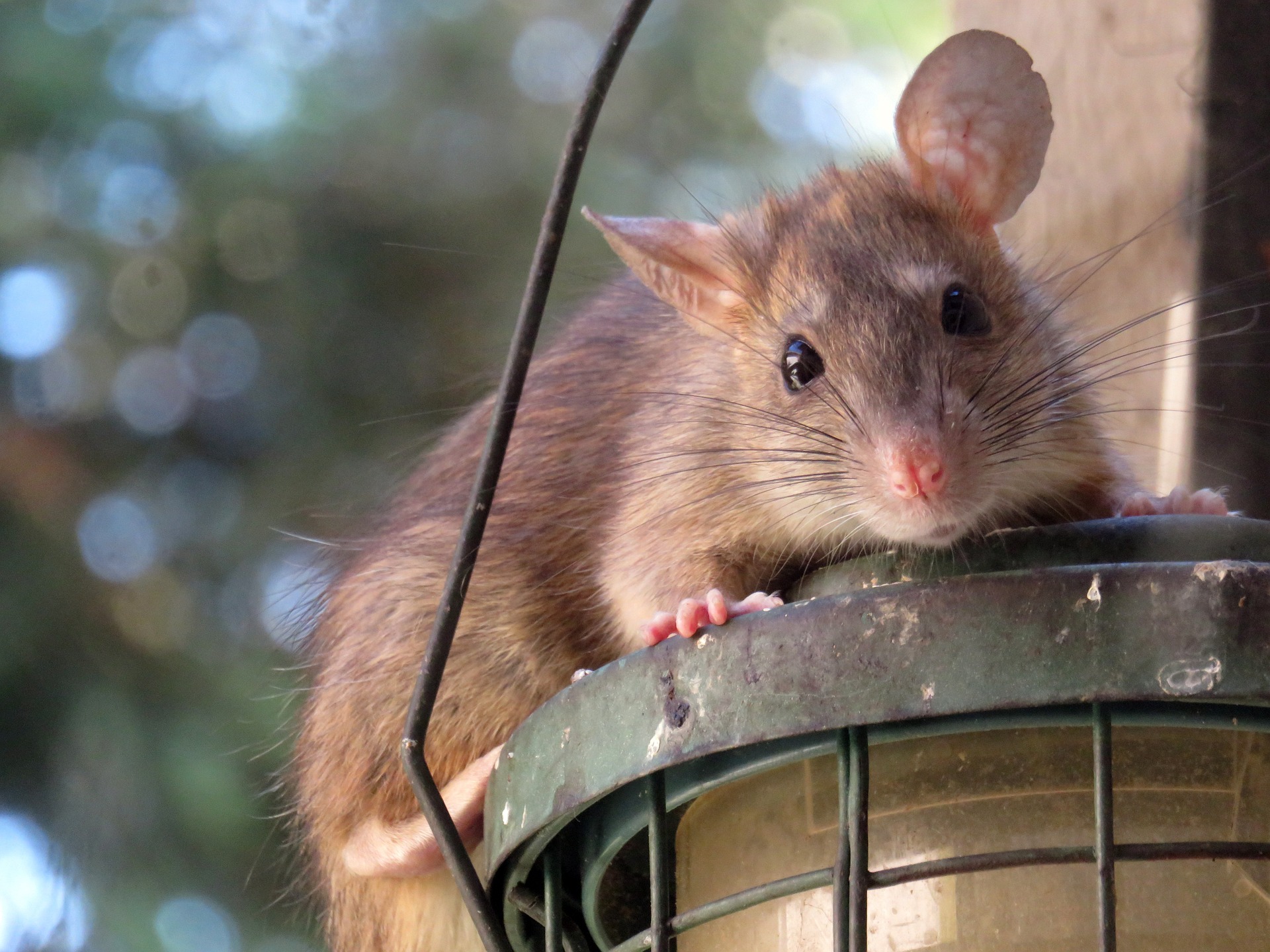
How to avoid rat problems
Deny rats food
- Regularly rake up and dispose of fallen fruit from fruit and nut trees
- Keep chicken coops and bird aviaries clean, remove excess seed or food
- Ensure that compost bins are rat proof and that scraps are not left where rats can gain access. Meat scraps should never be composted
- Keep animal food in rat-proof containers and wash pet food bowls after pets have finished eating.
Deny rats shelter
- Clear your house and land of all rubbish, timber and building material or stack it at least 40cm off the ground and away from fences
- Keep vegetation under control. Keep lawns short and remove garden refuse
- Keep your garage and shed neat and tidy
- Repair holes or other access points around buildings, fences and concrete slabs.
How to manage rat problems
Baiting
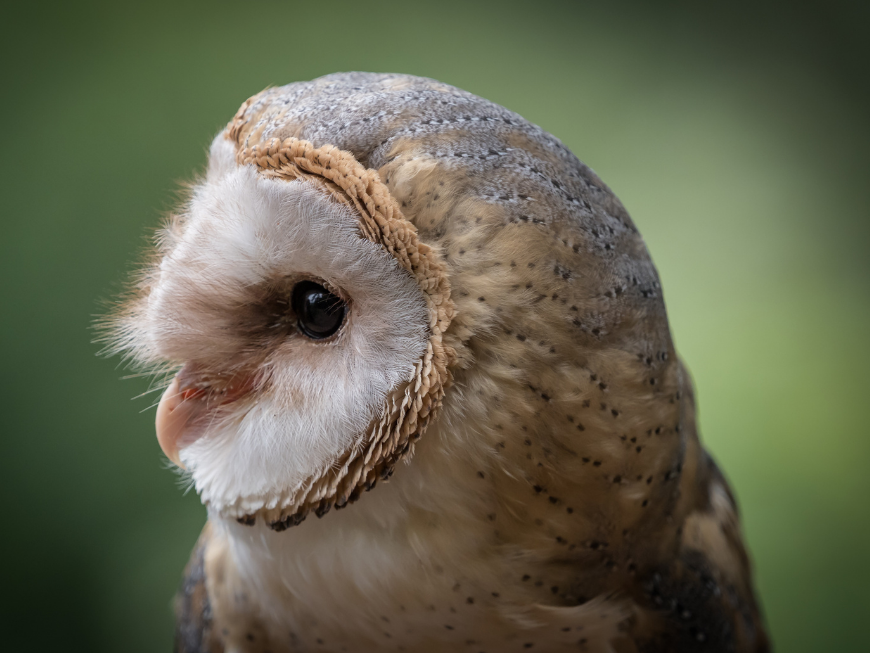
- Place rodent baits in one or two locations where rats commonly travel for at least two weeks. It is essential to choose products that minimise the risk of secondary poisoning to native wildlife. Each year, many native animals are harmed or killed after eating rodents that have consumed poison.
- Avoid baits containing brodifacoum, sometimes referred to as a second-generation bait. These poisons can persist in the liver of animals, increasing the risk of secondary poisoning along the food chain.
- For more information about the impacts of Second-generation Anticoagulant Rodenticides (SGARs) on wildlife and pets, and alternative rodent control methods, visit the BirdLife Australia website.
Precautions when using bait
- Ensure you read safety directions and understand the manufacturer’s directions before using bait
- Wash hands thoroughly with soap and water after contact with bait
- Don’t allow bait to contaminate food intended for human consumption
- Ensure baits are placed in locations not accessible to children, pets, native animals or poultry.
Trapping
- ‘Back-breaker’ traps can be used instead of poison. Lure the rats, using scraps of bacon or sausage, nuts, fruit, peanut butter and pumpkin seeds.
For further information relating to rat control, please visit the Department of Health website.